Kalpaka Charitable Trust – Adopting the Needy | Kalpaka


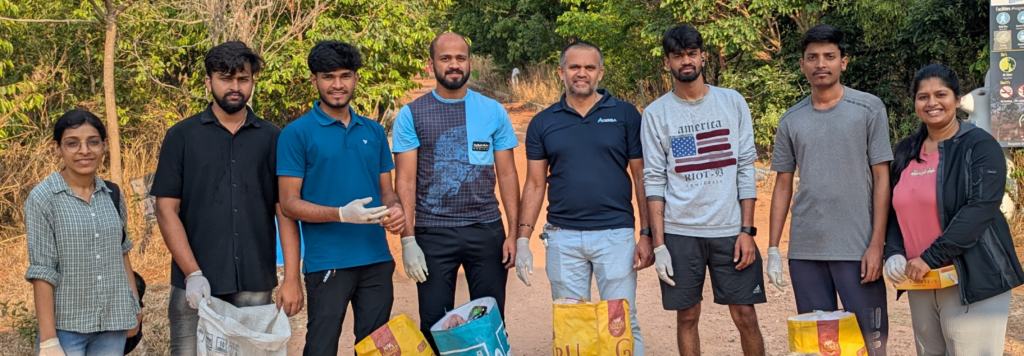
A Silent Call from Turahalli, Gently Answered with Care: Cleaning Up Plastic Pollution

July 27, 2026
Turahalli Tree Park
Where It Began
“The greatest threat to our planet is the belief that someone else will save it.”
On April 13, this thought found its way into something real.
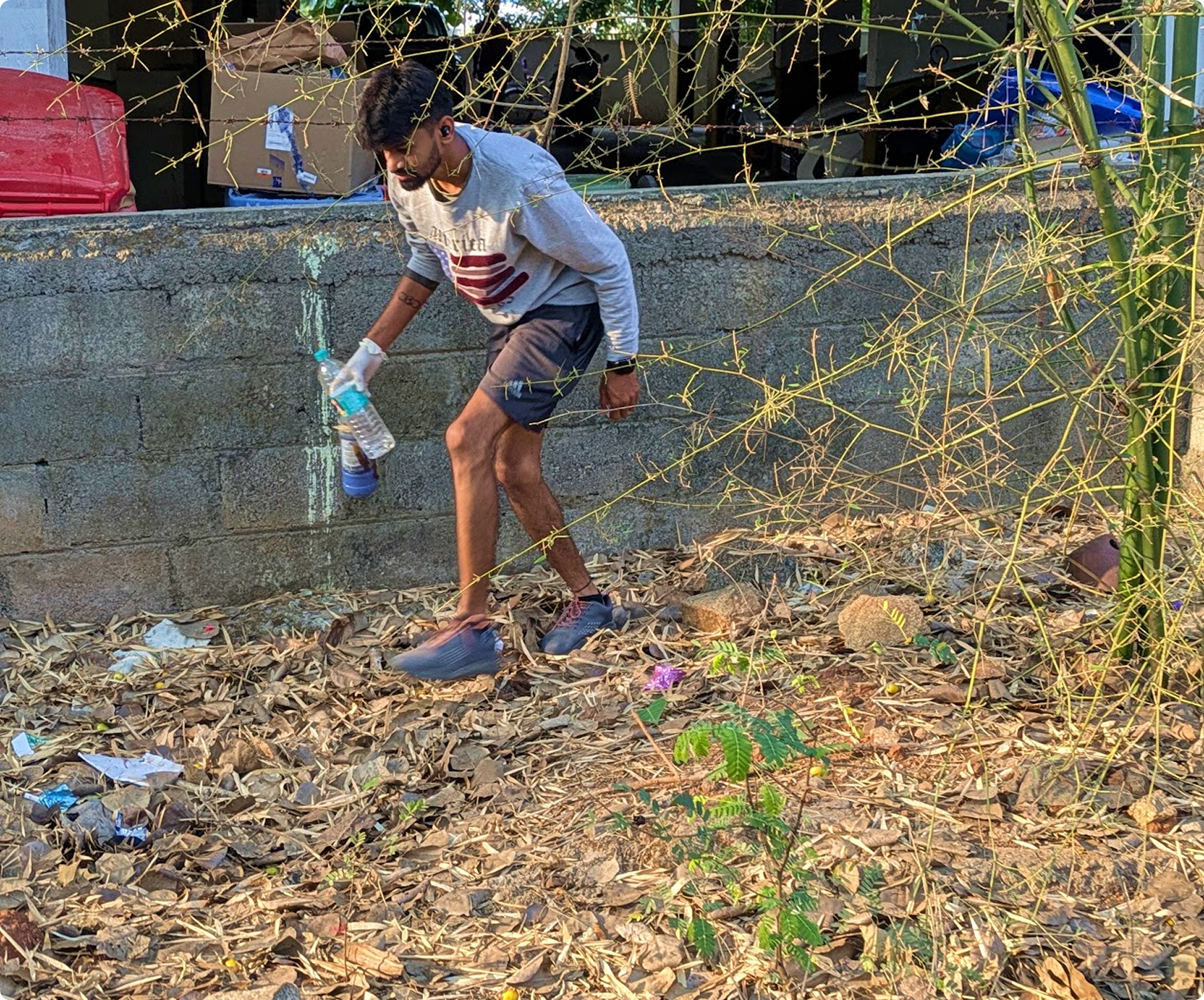
During a visit to Turahalli Tree Park, it became difficult to overlook what had quietly built up across the space—plastic waste, scattered and settled into the landscape. The sight became an unexpected reminder of why cleaning up plastic pollution matters. The waste interrupted what should have felt natural—the stillness of the space, the quiet of the surroundings. What stood out was not just the presence of waste, but how easily it had become part of the surroundings.
It raised a simple but important question—if not now, then when? If not us, then who?
This moment led Kalpaka Foundation to take the next step—to organize a cleanup drive within the park as part of the Rise Against Plastic initiative.
How Did Cleaning Up Plastic Pollution Begin at Turahalli Tree Park?
Responding meant more than showing up.
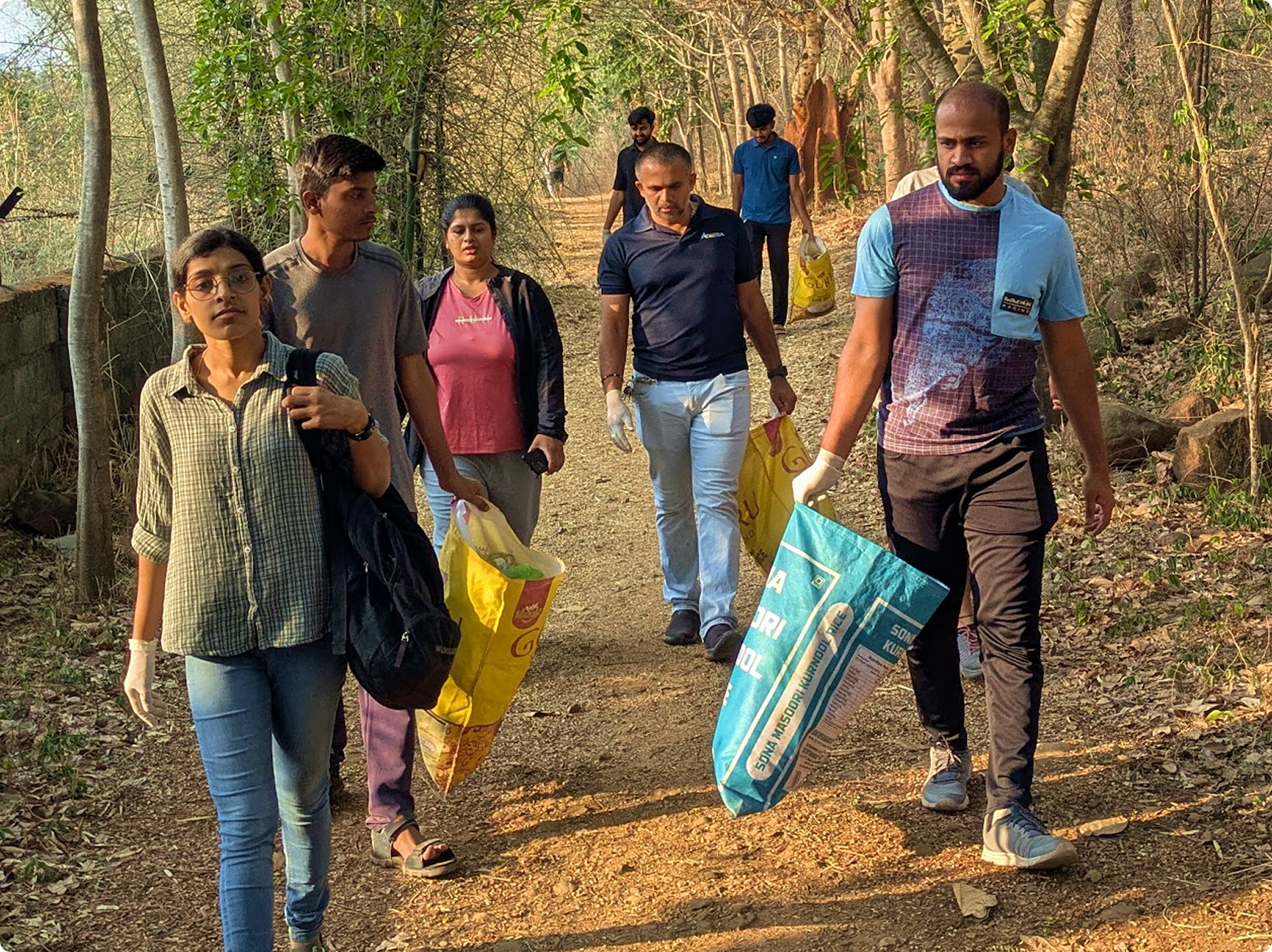
The Kalpaka team reached out to the forest department, submitting a formal request to conduct a cleanup drive within the park. With the support and approval of Forest Officer Mr. Manjunath, permission was granted to carry the effort forward.
Doing it the right way mattered just as much as doing it at all.
From there, the initiative was extended to those who wished to take part, bringing more people into a shared effort to address plastic waste in the park.
Because change holds more strength when it is carried together.
An Early Morning Beginning
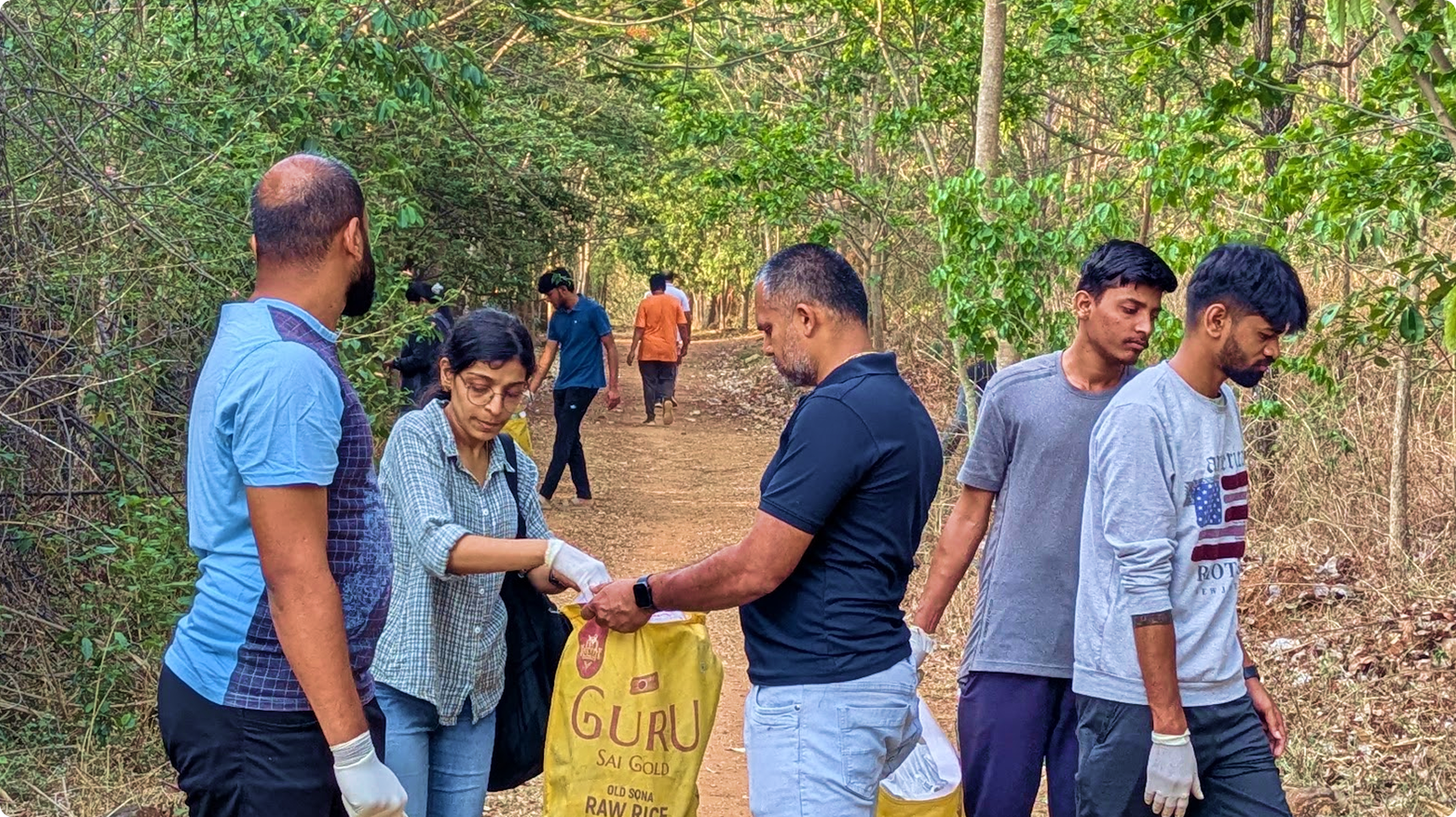
On April 18, the day began early.
By 6:30 AM, volunteers and team members had gathered at the park. There was little conversation, but a clear sense of purpose. Gloves were put on, garbage bags were picked up, and one by one, everyone stepped into the space to begin.
There was no need for instructions—only a shared understanding of why everyone was there.
It was a simple start, but a meaningful one.
Restoring What was Left Behind
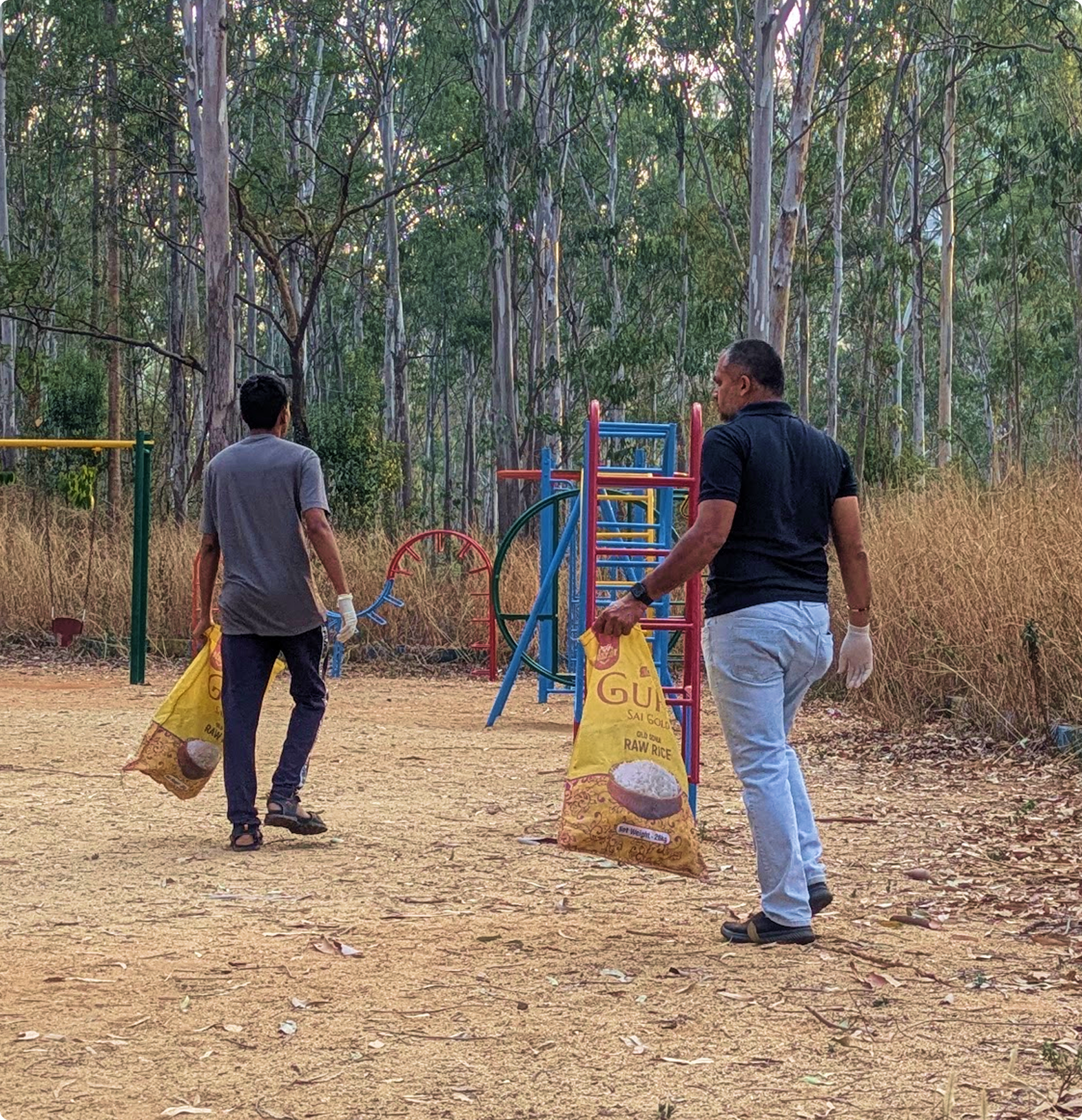
The work moved across different sections of the park.
Volunteers moved along trails and edges, collecting what had been left behind over time—plastic bottles, wine bottles, old clothes, sanitary pads, chocolate wrappers, and even medicine packaging.
Each item picked up was a small act of restoring what the space once was.
Some areas revealed more than others, particularly along the roadside, where waste appeared to have been repeatedly discarded.
In the midst of this, a local woman quietly joined the effort, choosing to participate without being asked. A few visitors paused to appreciate the work. Many continued on their way.
Not everyone stopped—but the effort continued, steady and uninterrupted.
What Did the Cleanup Reveal?
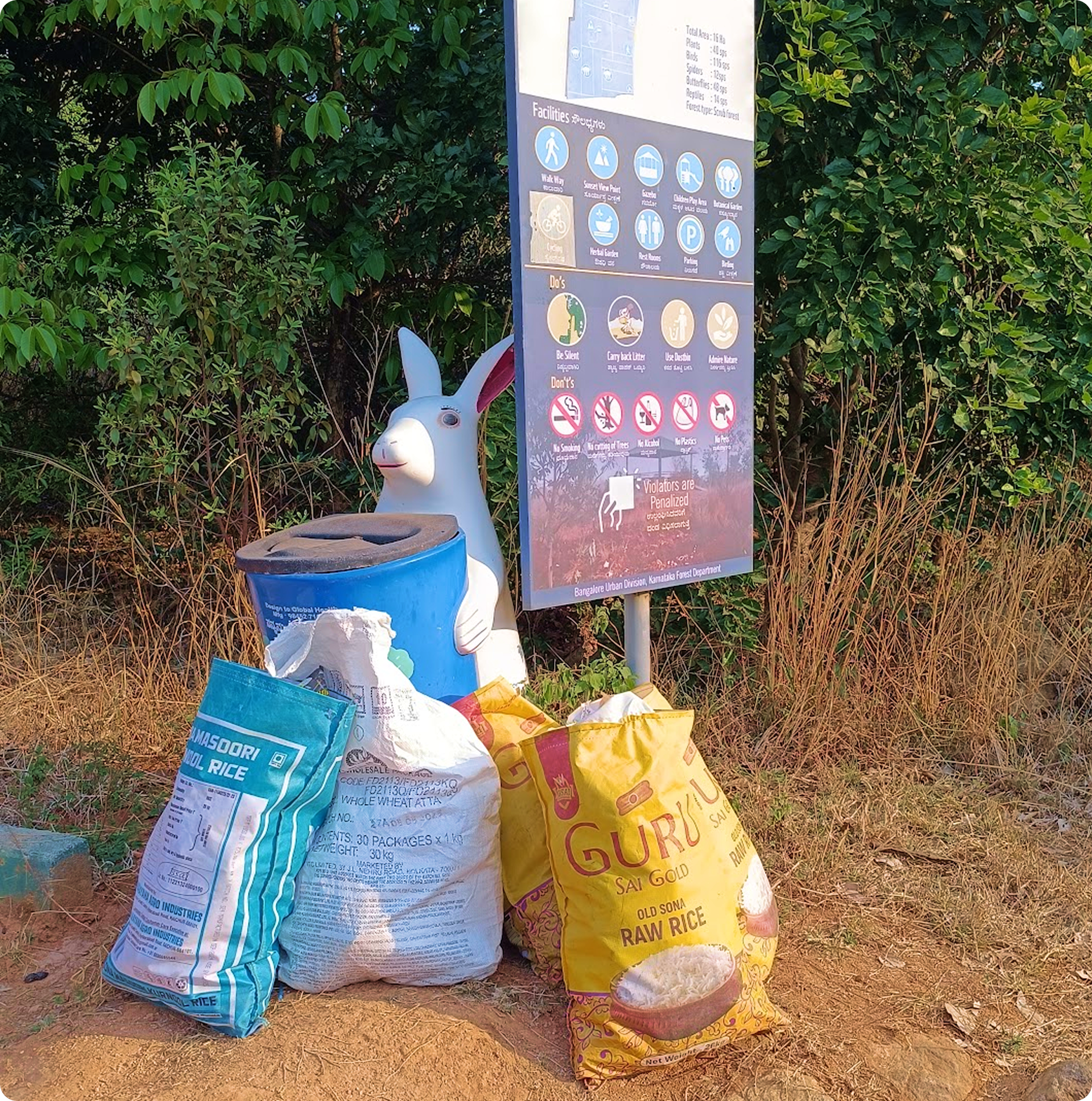
By 8:00 AM, the collected waste had been brought together and set aside for proper disposal. The forest guard was informed to ensure it would be handled appropriately.
The space looked different—but not complete. Because while the visible waste had been cleared, what led to it was still unchanged.
As we moved through the collected waste, one thing became clear. It was not accidental. In many places, it had been deliberately left behind. Despite regular movement through the park, very few seemed to acknowledge what remained there.
The issue was not awareness—it was disregard. What we choose not to acknowledge often shapes what continues to exist.
It reminded us that nature does not create waste. What disrupts it is what we introduce—and what we choose not to take back.
In places like Turahalli, this is not distant or abstract. It is formed through everyday actions, shaped quietly by small decisions repeated over time. And just as those choices create the problem, the solution also begins there—in small, conscious actions that follow.
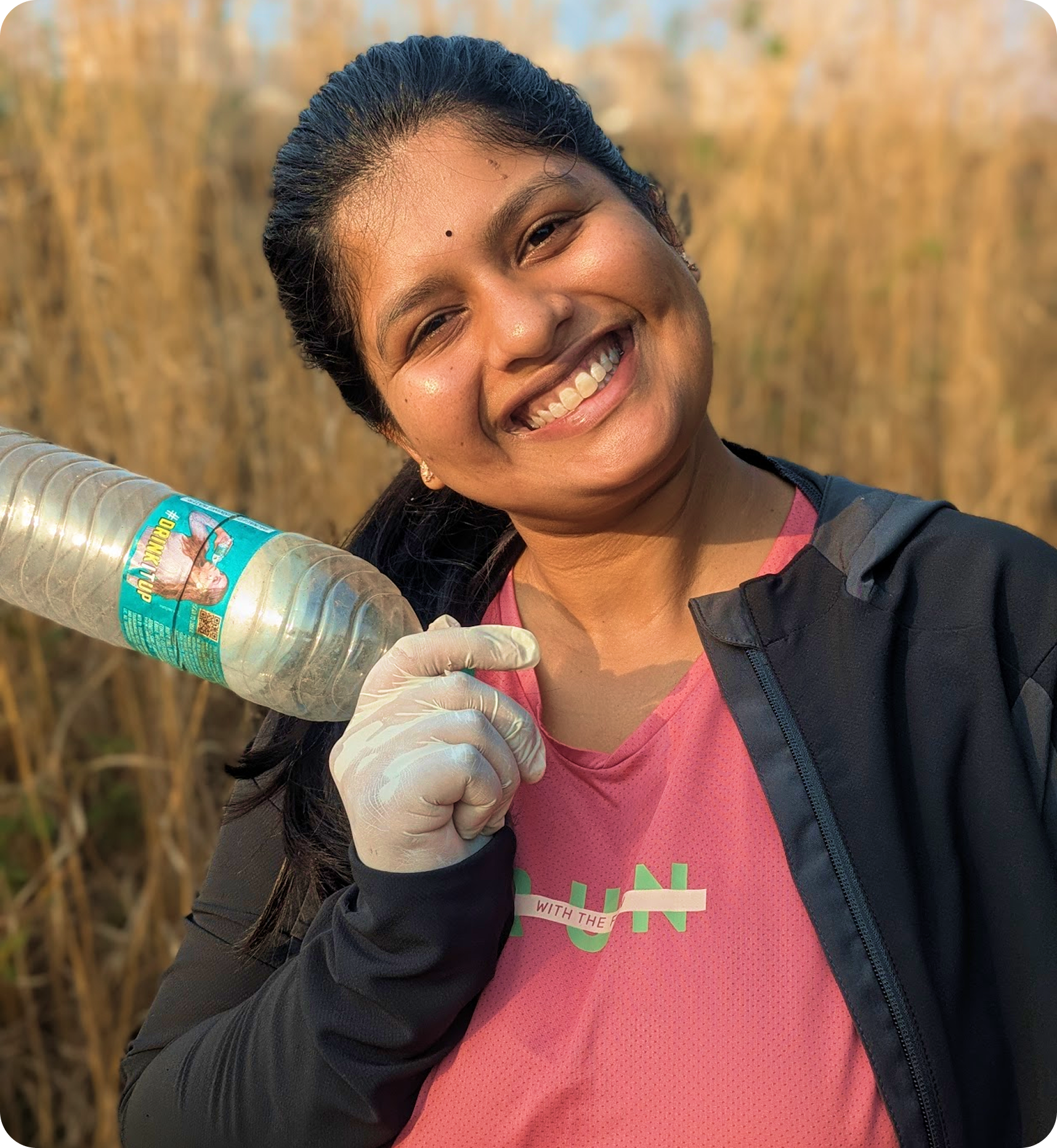
Small Efforts, Continuing Forward
This cleanup drive is one among many efforts under Rise Against Plastic—an ongoing initiative by Kalpaka Foundation to address plastic pollution through action and awareness.
Kalpaka believes that meaningful change does not always need to be big.
It begins with small actions that are consistent, intentional, and shared. As these efforts continue, they reach further, cover more spaces, involve more people, and build a stronger sense of responsibility.
Because every effort, no matter how small, has the potential to influence the next.
A Responsibility We Cannot Pass On
The spaces we walk through reflect the choices we make.
Not just in how we use them—but in how we leave them behind.
What we leave behind is not just waste; it is a reflection of the responsibility we choose to take or ignore.
Clean spaces are not maintained by chance—they are sustained by conscious choices.
And that responsibility cannot be passed on.
It is ours. And it begins with what we choose to do next.
Because change begins with us. Be Part of the Change. Be the Change.
Frequently Asked Questions
1. What is the Rise Against Plastic initiative by Kalpaka Foundation?
Rise Against Plastic is an ongoing initiative by Kalpaka Foundation focused on addressing plastic pollution through action and awareness. Its efforts towards cleaning up plastic pollution include initiatives such as the Turahalli Tree Park cleanup, which encouraged people to take action against plastic waste in shared natural spaces.
2. What other environmental initiatives does Kalpaka Foundation support?
Alongside the Rise Against Plastic initiative, Kalpaka Foundation’s environmental efforts include water-pot projects for birds and animals, seed-ball projects to support plantation, and tree-planting activities. These initiatives reflect its focus on practical environmental action and awareness.
3. How many environmental initiatives has Kalpaka Foundation carried out?
Kalpaka Foundation has carried out five environmental initiatives across 2025 and 2026, covering efforts to support birds and animals, promote plantation, and address plastic pollution.
4. How many projects has Kalpaka Foundation completed across its different areas of work?
Across 2025 and 2026, Kalpaka Foundation has completed 22 projects, reaching 10 schools and communities and benefiting 488+ children. The projects span environmental support, education, tribal welfare, women’s welfare, food support, health support, and urban school events.
5. How can I support Kalpaka Foundation's environmental initiatives?
Those who wish to contribute to Kalpaka Foundation’s initiatives can participate as volunteers and support efforts that create positive change in communities and public spaces.
Want to be part of this?
Our work grows when more hands join in. Whether you have an hour or a year, there’s a place for you here.
Why Sanitary Pad Donations Keep Girls in School
Address
Address: No. 98/2, 1st Floor, SC Complex, Surabhi Nagar West, 8th Phase, J. P. Nagar, Bengaluru, Karnataka 560076
- Email: info@kalpaka.org
Support a Cause & Avail Tax Benefits
Kalpaka Foundation is a registered NGO under the Income Tax Act, and all donations made to us are tax-exempt under Section 80G of the Income Tax Act, 1961. Your contributions help us drive impactful initiatives while providing you with tax benefits.
For more details, feel free to contact us or refer to the official registration details.
Kalpaka Foundation – AAFTK6965R
(URN: AAFTK6965RE20241, Valid from AY 2026-27)